Master of Arts in Teaching (MAT) Faculty
Meet our Master of Arts in Teaching (MAT) faculty — here to prepare future educators and to support, inspire and empower every learner.
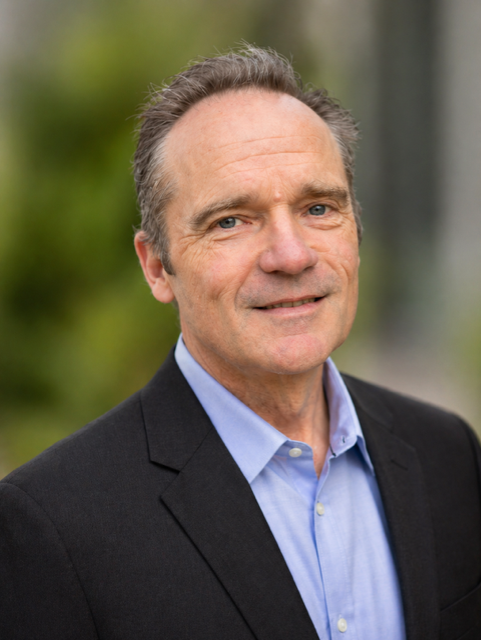
Share a little of your background. While I was in college, I struggled figuring out what I wanted to do, like most college students. I eventually gravitated toward history and political science classes, and I enjoyed talking about those topics. The more I thought about it, the more I considered becoming a teacher, and now I’ve been at K-State for the last 20 years or so. It just felt right when I arrived at K-State. It offered all the things that a big university offers, like research, scholarships and grants. However, it still felt like a small community where faculty were available and student-centered. What led to the decision to create the MAT program? The nice thing about being a faculty member is that you get to reinvent yourself every once in a while, and I’ve done that throughout my time at K-State. At my previous university, we worked on an in-person program for graduate students who did not have undergraduate degrees in education but wanted to become teachers. It became very successful. When I came to K-State, I mentioned several times that I wanted to create a similar program, but online. In 2015, my colleague, Dr. Larson, and I discussed the possibility with our department chair and the dean. That’s how the MAT was born at K-State. When we first launched the program, people said it would never work online. We only needed six people, but we ended up getting 39 in the first class. The MAT has been growing ever since that first year. How would your students describe you as a teacher? Most students say I am rigorous and have high expectations. They also say that my courses are practical. They would say that I treat students fairly and with respect. I hope they say I’m clear and that my instructions are clear. It’s one of the core teaching skills that I harp on a lot. Teachers have to be clear. They have to make complex ideas clear. In fact, my primary job as a teacher is to translate complex ideas and make them accessible to my students. When I teach future teachers, I help them explore how teaching and education influence their world. Whatever we’re doing in my classes, we’re helping them perceive the classroom accurately, carefully analyze what’s going on, prudently make wise judgments about what they are going to do next and, hopefully, competently act in the classroom. So those are two key parts of my teaching philosophy. What is your advice to incoming MAT students? The most important piece of advice I can offer incoming MAT students is to allow themselves to grow. Becoming a great teacher takes time and experience. Cut yourself some slack. No one expects you to be perfect, and you shouldn't either. Expect ambiguity in teaching. Answers are not black-and-white, yes-or-no, right-or-wrong. There are good and bad ways to proceed as a teacher. It’s their job to figure out what’s right in the context. Teaching is not following a script. Really good teaching is dynamic, it’s ever-changing, and it’s reacting and responding to different variables and contexts. It makes teaching challenging and rewarding. The fundamental teaching decisions are about gray areas. Aristotle said that to live a good life is to find the golden balance, or harmony, among competing goods. Good teaching is that way too. We want to spark curiosity. We want to motivate students. We need to figure out how best to harmonize or balance those competing goods, given the context we find ourselves in. I had a few veteran teachers who gave me some really good ideas for overcoming that fear. One of them told me to remember that teachers and parents are on the same team. We both want whatever’s best for the kid. I got to thinking about that, and it’s true.

Share a little of your background. I began my career in education as a fifth-grade teacher in the Geary County and Manhattan school districts, and then started working with K-State as a clinical instructor. My job was to partner with schools and help place pre-service teachers in student-teaching positions. I decided I wanted to pursue a career in higher education and left the school district to begin my doctoral program at K-State. I absolutely love what I do. To me, it doesn’t matter what you’re teaching, whether it’s in a sixth-grade classroom, online, to doctoral students or to new career teachers. I absolutely love to teach. Also, I am originally from Sweden. I came to the U.S. when I was a senior in high school. I was in a study-abroad exchange program for one year, but decided to come back for college. Growing up, I was a track athlete and went to college for running. That is how I met my husband, who is from this area. We’ve been here ever since. How did you help build the MAT program? We recognized several people who wanted to become teachers but did not want to commit to getting another bachelor’s degree. It’s expensive and time-consuming. We felt there was a better way to reach and support them by getting into classrooms. We discovered that cost, time, convenience and geographic location are barriers for adults returning to education, so we designed the Master of Arts in Teaching (MAT) program to be offered online for those seeking a career change. If you don’t have a degree in education but would like to pursue teaching, you can complete this program in 12 to 15 months and become a licensed teacher. Over the past 10 years, we have seen many students successfully graduate from the program. When we first launched the program, we were unaware of how quickly it would grow. I believe it is because of the strong relationships we have built with the schools where students complete their student-teaching and with the students themselves. If a superintendent or a principal is looking for good teachers, they trust that our graduates will do a good job for them. What online teaching methods have you found successful? As an online program, we’re very efficient. We try to make it personable and be in touch with students. The most difficult aspect of online teaching is that you don’t have the same opportunity to build relationships as in face-to-face classes. It can still be done well, and we do communicate through Zoom or other platforms. It’s important to build those relationships in an online, asynchronous program. How would your students describe you as a teacher? I think they would say I am very clear in my instructions and expectations. I’m pretty consistent, and I try to be fair. I recognize that each student has different needs. I try to be compassionate because I cannot put myself in my students’ shoes. They may have had unique experiences I have not gone through, so I try to show compassion when they are going through a tough situation.
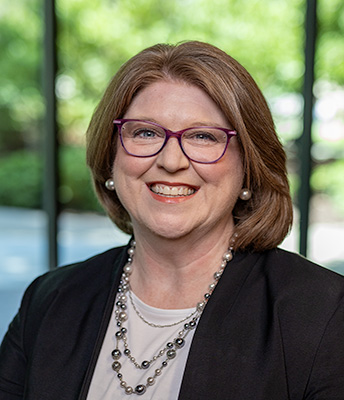
Share about your background. I have been an educator for 29 years. Before Kansas State University, I spent 15 years in public elementary classrooms, where I taught first, second and third grade. I taught K-5 English as a Second Language, math, reading and science interventions. Then I spent seven years at the district level as a math and science curriculum specialist for elementary and later for middle school. When I decided to pursue my doctorate, I stepped away from teaching full-time and traveled across the country to work with STEM teachers and administrators. After earning my doctorate, I started working at K-State in the fall of 2021 and taught undergraduate courses in elementary science and math methods for pre-K through second grade. I additionally work in our elementary STEM methods course. What made you decide to join the K-State faculty? I was working on my doctorate, and I knew I wanted to work with pre-service teachers. Then COVID hit. All the searching and interviewing for K-State were done virtually. I had never even been to K-State before applying and interviewing, but Manhattan wasn't a foreign land. I really felt a connection with everyone I interviewed with. I felt there was a sense of family. I know we use that a lot when we talk about K-State, but I really felt that. That’s hard to feel virtual. There was just a connection that I couldn’t overlook. What continues to keep you passionate about helping future educators? I don’t mean to sound cliché, but it's the students. It’s the passion that I see in them. They desire to work with young learners and to make a difference in those lives. It’s seeing the fire inside other people who want to change as well. That’s what keeps me going through the MAT program. They are typically students who have done something else. They have a degree, and they’re coming in for an initial license, or it could be a career change for some of them. They’ve got a passion, and they’re coming in here for a reason. What are two words you would use to describe the College of Education? Purpose-driven. I feel like for each of us here in the College of Education, and in the MAT program, our purpose is to help shape the future of education. We are creating future educators. Our goals are to help those students in our classes become the best version of themselves as educators. We all kind of work around that similar purpose. Innovative. We’ve got some amazing faculty members who are doing forward-thinking work. Lots of us are looking at AI, and even the MAT program itself is an innovation program, which is why people are drawn to it. We’re innovative in how we design our courses and approach things. What advice do you have for future MAT students? It’s going to be a rollercoaster ride as you go through the program. Be okay with that. It will be an intense two years. You’re going to be doing a lot in a short period of time. Remember whatever it was that motivated you to want to teach. Change is a process, not an event. It’s not all of a sudden. Try to get really good at one thing, then add something else and get really good at it too.
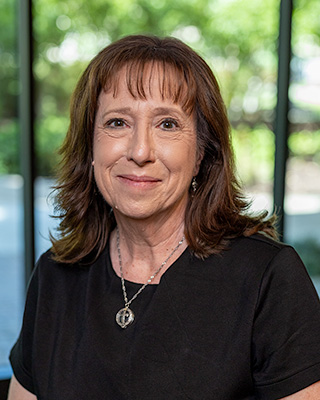
Share a background about yourself. I’ve had a long and wonderful tenure in education. I taught in elementary school for 15 years, and then I moved to middle school. I taught sixth-, seventh- and eighth-grade reading and English language arts, social studies and some science classes. I worked with high school students on digital literacy. I was the testing coordinator and the technology coordinator. I coached high school varsity basketball and volleyball, as well as middle school basketball and volleyball. I had a lot of opportunities to really get to know my students. I earned my master’s degree in 1994 from K-State and then finished my Ph.D. in 2011. So all the time I was in the classroom, I loved teaching, I really loved public education, but I was always hungry to learn more. After I finished my Ph.D. I was given the opportunity to teach here at K-State in 2013. It’s been a real joy to work with pre-service teachers. That’s been a real passion of mine. What are your research interests? My initial research examined adolescent literacy, framed through the experience of a family member’s military deployment. That stemmed from my dissertation, when I lived 23 miles from Fort Riley. I had many students who were military-connected, and I realized I’d never spoken with them about what that experience was like. Part of my research was about how they use literacy and the skills I’m teaching in their experience. Is it helping at all? Does it help them mitigate the stress? When I came to K-State, I continued along that line. I had another research project in which I interviewed elementary teachers or pre-service teachers who had no military background themselves, but who student-taught in an all-military school where students were military-connected. I wanted to know, did you feel prepared for this setting and for the circumstances? What did you learn from this? I have also always been very passionate about rural education. My background in public education was in a rural school district, and we had that unique combination of military-connected students and rural students. I wanted to examine the rurality piece, focusing on how teacher candidates felt prepared and their attitudes toward teaching in rural school districts. What kind of environment did you provide for your students? When I first became a teacher, I wanted students to feel safe and to feel like my classroom was gonna be a good place to be, someplace they wanted to come every day. I wanted to be a teacher whose students thought they wanted them there and were glad they were there. That’s who I tried to be as a beginning teacher. I try to take that into my Master of Arts in Teaching classes, too, when we’re responding to discussion posts or to videos. This is kind of your earliest professional learning community. We learn from and inspire each other, but sometimes we have to build each other up. How would you say your students describe you as a teacher? I hope my students would say that I am caring and connected. I hope they feel connected to me. Respectful. I hope they know I am respectful of their journey, where they’ve been, where they are right now and where they’re headed in the Master of Arts in Teaching program or any other degree program. I hope that they can see that I’m passionate about this content area, English language arts. I hope they see me as trustworthy; someone they can come to long after their degree program is over. Some of my greatest treasures are emails I’ve received from students in my undergraduate degree program or in the MAT program who reach out to tell me what they’re doing. What is your advice for incoming MAT students? My advice to incoming MAT students is to have confidence in themselves. Value what you’ve already learned and what you’ve already achieved up until this point. Be ready to bring your experience to the program as you work on assignments or interact with your peers, professors or your GradCats. There is great value in everything that you’ve done up until this point. Be confident about what you’re able to learn and the things that you’re crafting to take on into your own classroom after you finish the program. Give yourself grace to recognize you’re taking on a lot here. Many of them have families and are currently working in other circumstances while taking classes. Also, reach out to your faculty. We truly care about you and your success in the program.
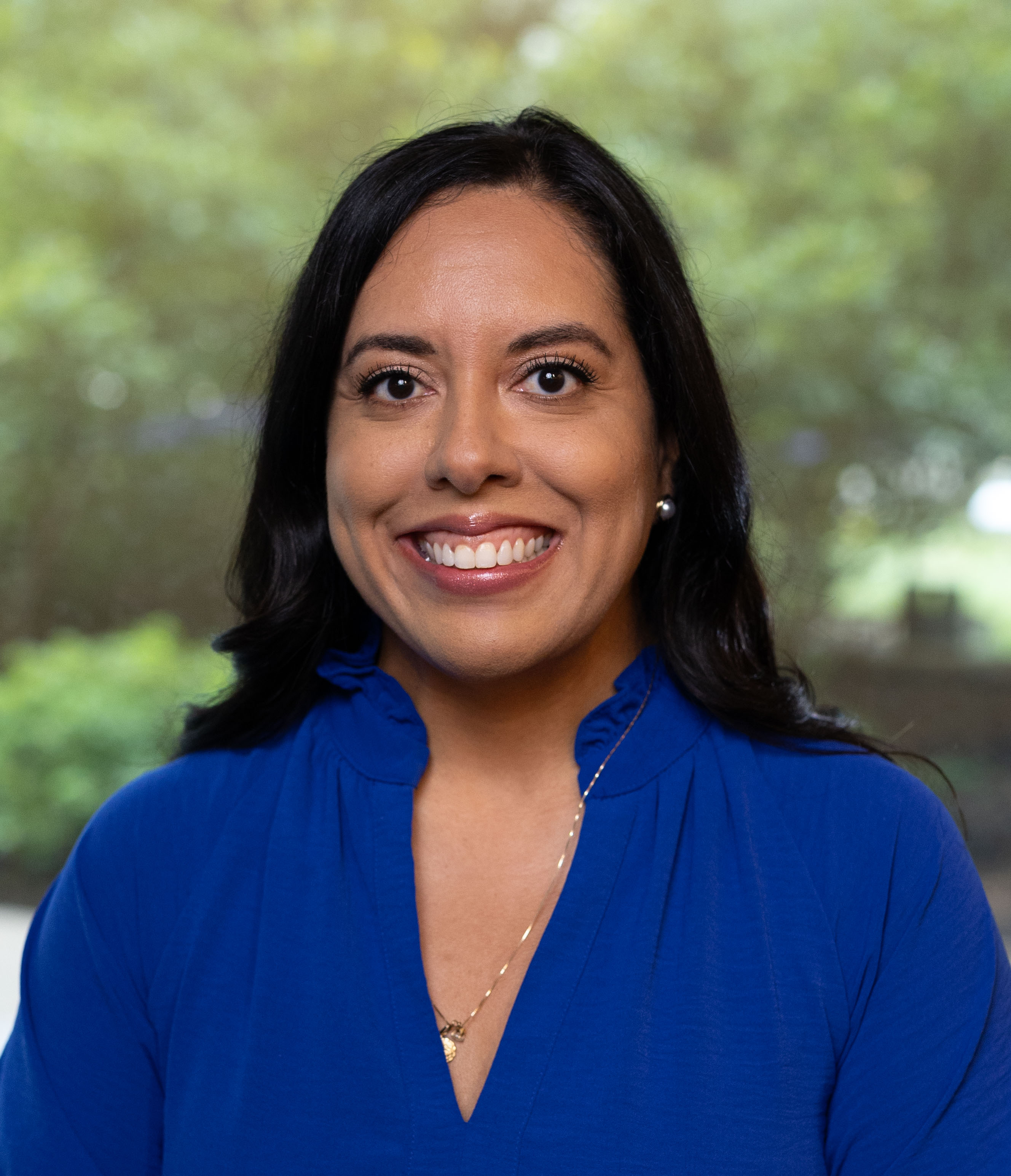
Share about your background. Before my time at Kansas State University, I taught English for 13 years. I taught for 10 years at Junction City High School, just down the road from us. Then I taught for three years at Wabaunsee High School, which is in the town where my family lives. I had 13 amazing years in the classroom. I loved teaching literature, I loved teaching composition, but there’s always that next step or that next goal. I came to K-State in 2018 to pursue my doctorate full-time. I’ve been here ever since. I’m a proud K-Stater. I have three degrees, all from Kansas State University. I bleed purple, just like many of us in our department. How would your students describe you as a teacher? Authentic, human and meaningful. It’s less about my teaching experience and more about the students’ experience in my courses. I want my students to see their humanity at the center of what we’re doing. I want their voices to feel heard in what we’re doing. I want them to feel challenged in appropriate and meaningful ways. What are some of the challenges you faced when you began teaching in the classroom? As a first-year teacher, I struggled with classroom management. I felt that I would take a lot of things they did or didn’t do very personally. I had to separate myself from their behaviors. They’re not doing the work because they like or dislike me. Focus on what your students need, and be the type of teacher they need you to be. Once I de-centered myself, I found that classroom management and teaching my content became a lot easier because it wasn’t about me; it was about helping my students. What is something that makes you unique that maybe students don’t know about you? I don’t know that my students ever realized that I love to write poetry. I think that would be something that would surprise them because I don’t think they would hear me speak and be like, ‘she's really poetic.’ They would be like, ‘she's really direct.’ I think they would be shocked by that. It’s not like I write sonnets or anything like that. It tends to be free verse. I don’t really have one specific style, but I do tend to write a lot of poetry about being Puerto Rican, the Puerto Rican diaspora and the folklore of my culture. I like poetry about places, space and spirits, like the spirit of a place. I’ve also written poetry about Kansas.